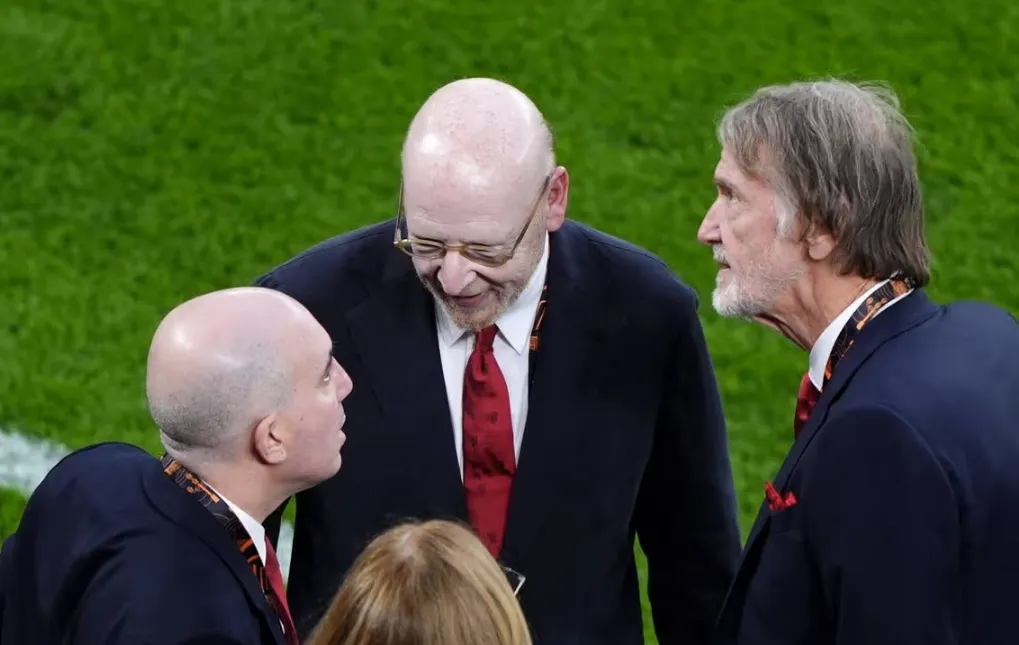
The atmosphere at Old Trafford is set to be electric, but for reasons that go far beyond the usual excitement of a new Premier League season. Reports have emerged that Manchester United supporters are organizing a significant protest for the opening day of the campaign, with their frustrations squarely aimed at Sir Jim Ratcliffe and the club’s current ownership structure. This isn’t just a fleeting moment of anger; it’s a culmination of years of simmering discontent, now reaching a boiling point as the new season dawns. As a seasoned football analyst, I’ve seen fan protests come and go, but this one feels different—more organized, more purposeful, and deeply rooted in a concern for the club’s identity and future. Let’s break down the reasons behind this planned demonstration, what it means for the team, and how it could shape the narrative of Manchester United’s 2024-25 season.
The Core of the Controversy: Why Fans Are Targeting Jim Ratcliffe
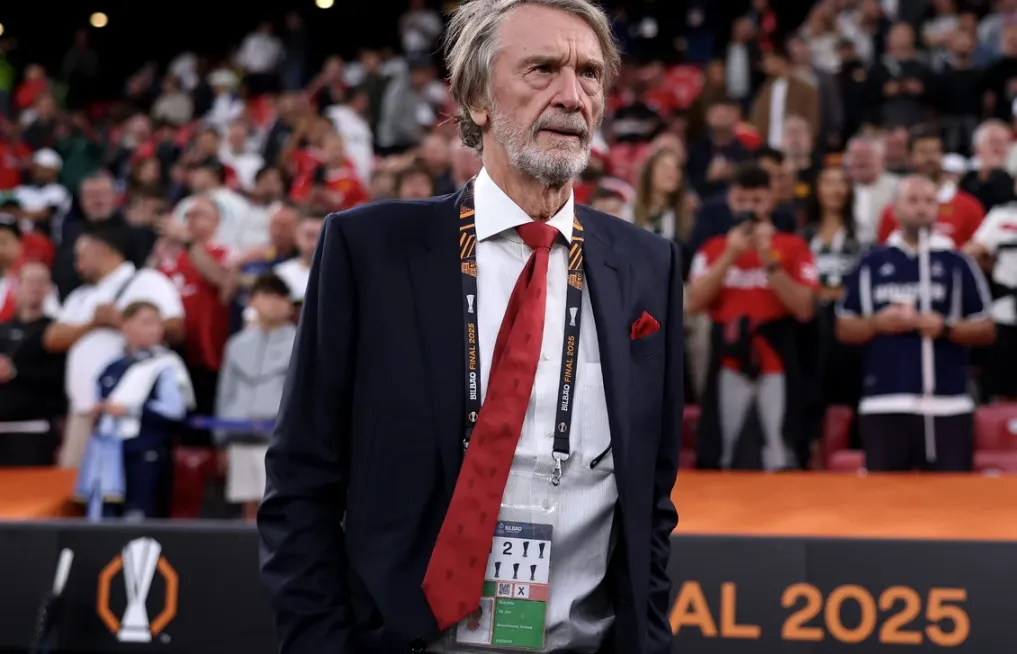
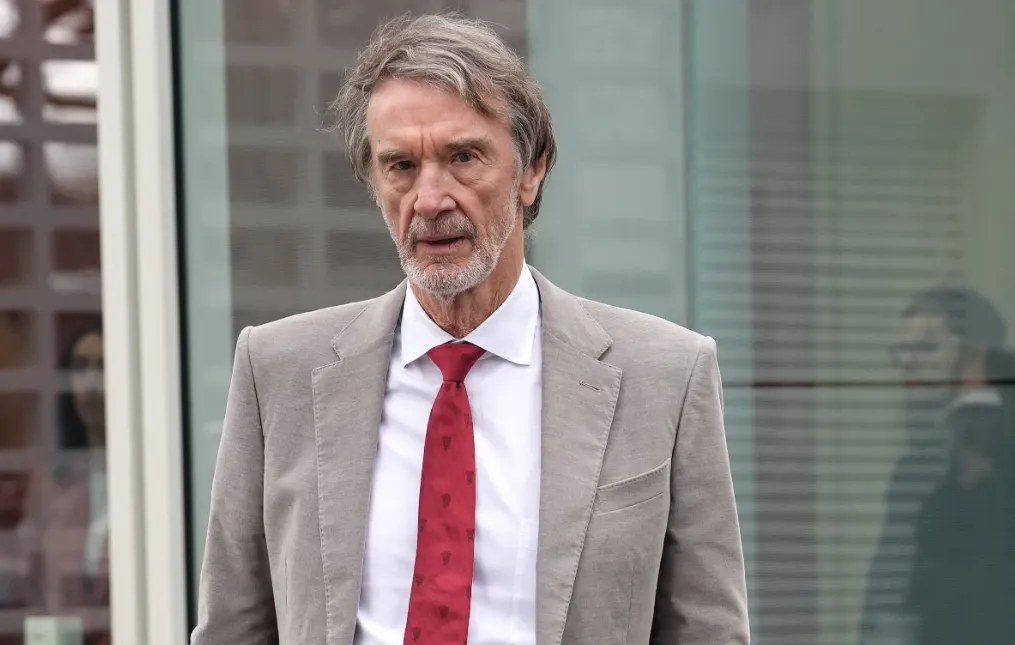
To understand the protest, we must first look at the man at the center of it all. Sir Jim Ratcliffe, the British billionaire and lifelong Manchester United fan, acquired a 27.7% stake in the club earlier this year, taking over football operations. While many initially saw this as a positive step—a local lad returning to steer the ship—the honeymoon period was short-lived.
Broken Promises and Rising Ticket Prices
One of the primary triggers for the fan backlash has been the club’s financial decisions under Ratcliffe’s partial ownership. Supporters have reported a steep increase in ticket prices, particularly for away matches and hospitality packages. There’s a growing sentiment that the club, which was already criticized for prioritizing commercial gains under the Glazer family, is now employing an even more aggressive monetization strategy.
- The Disconnect:Fans feel that Ratcliffe, despite his professed love for the club, is making decisions that prioritize profit over the match-going supporter.
- The “Value” Argument:The club has argued that increased prices are necessary to compete with financially doped rivals. However, for the average fan working a 9-to-5 job, these justifications ring hollow.
- A Historical Echo:This isn’t the first time United fans have protested ownership. The Green and Gold protests against the Glazers were a staple of the early 2010s. This new wave feels like a second act, with Ratcliffe now sharing the stage as a target.
The “Lack of a Real Plan” Narrative
Beyond finances, there is a deep-seated anxiety about the direction of the football club. While Ratcliffe has brought in key personnel like Omar Berrada and Jason Wilcox, the actual on-field progress remains slow. The summer transfer window has been characterized by frustration, with top targets slipping away and a perceived lack of decisiveness.
“There is a distinct feeling among the fanbase that we are being sold a vision of ‘project restructuring’ without seeing any tangible results on the pitch,” says Dr. Emily Carter, a sports business analyst at the Manchester Metropolitan University. “The patience that was extended to the new regime in April has evaporated, replaced by a demand for action.”
The protest is therefore not just about money; it’s about a crisis of confidence. Fans are questioning whether the new leadership has the ambition or the capability to return the club to its former glory, or if this is simply a more polished version of the same corporate ownership.
The Logistics of the Opening Day Protest
The planned demonstration is meticulously organized, moving beyond the spontaneous chants of the past. The leaders of the fan groups involved are leveraging social media and old-school supporter networks to ensure high turnout.
Where and When Will It Happen?
The focal point of the protest will be outside the Munich Tunnel and the Sir Alex Ferguson Stand before the opening day fixture. This is highly symbolic. The Munich Tunnel serves as a solemn reminder of the club’s history and resilience, while the Ferguson Stand honors the manager who defined its modern identity. By congregating here, fans are making a clear statement: they are the custodians of the club’s history, and they feel the current custodians are failing them.
- Timing:The protest is scheduled to begin two hours before kickoff, designed to be visible and disruptive without directly delaying the match start (a key consideration to avoid penalties against the club).
- The Message:Expect to see banners asking for transparency, demanding lower ticket prices, and challenging the ownership’s decisions. The color scheme of the protest will likely feature black, representing mourning for the club’s lost glory.
- Inside the Ground:There are also plans for a coordinated display inside the stadium during the first 15 minutes of the match, potentially including a silent protest or the turning of backs to the pitch.
How This Affects the Team and Manager Erik ten Hag
This is where the stakes get incredibly high for Jeetbuzz and every Manchester United fan. While the protest is against the owners, the players and manager are inevitably caught in the crossfire.
Pressure on the Dressing Room
A hostile atmosphere before a game is never ideal. For a squad that is already under intense scrutiny, the opening day is meant to be a fresh start. Instead, it might feel like walking into a minefield.
- Mental Fortitude:This is a true test of character for the players. Can they block out the noise and focus on the game? Or will the energy drain from the stadium?
- Erik ten Hag’s Position:The manager is walking a tightrope. He must publicly support the fans’ right to protest while also trying to shield his players from the negativity.
- Us vs. Them:The protest could inadvertently create a divide. While the players understand the fan frustration, it can be difficult to perform when your own supporters are projecting anger onto the club’s environment, even if it isn’t directed at them personally.
A Distraction from Football
Ultimately, this protest is a massive distraction. Instead of talking about tactics, formations, and the new signings, all pre-match discussion will be dominated by the protest.
- The Media Narrative:Every major sports outlet, including Jeetbuzz, is running this story. It shifts the national conversation from “Can Manchester United challenge for the title?” to “Is Manchester United a club in crisis?”
- Recruitment Implications:Potential future signings will see a club that is in constant civil war. It is not an attractive proposition for a top-tier player who values stability.
Expert Analysis: A History of Protests and Future Predictions
Manchester United fans have long been recognized as some of the most passionate and vocal in world football. The Glazer takeover in 2005 sparked immediate resistance. What makes this protest unique is that it targets a new partner who was supposed to be the “good guy.”
The “Champions League Effect”
A major factor that could derail the momentum of the protest is the club’s performance. If Manchester United wins its first three games, scoring beautiful goals, the anger might subside. Winning is the ultimate sedative.
- The Short-Term Fix:A strong run of form could postpone the inevitable reckoning.
- The Long-Term Issue:But the underlying financial issues and the distrust in leadership won’t disappear because of a few wins. The structural problems remain.
- The Role of the Glazers:It’s important to remember the Glazer family still holds the majority stake. This protest serves as a warning shot to them as well.
My Prediction for the Season
Based on this development, I predict a season of two halves for Manchester United. The first half will be rocky, filled with internal tension and inconsistent results as the team and fans navigate this friction. If Ratcliffe and his team do not make a clear, public gesture of goodwill—such as freezing ticket prices for the second half of the season or making a blockbuster January signing—the second half of the season could see the protests escalate.
Final Thoughts for the Fans:
To the fans planning this protest: You are right to hold the club accountable. Your passion is the heart of Jeetbuzz. But remember the players on the pitch. They are not the enemy. Find a way to channel your anger productively—support the lads for 90 minutes, then resume the fight against the suits in the boardroom afterward. A divided Old Trafford is a weak Old Trafford. A united one, even in protest, is a fortress.
We want to hear from you! What do you think of the planned protest? Is it justified, or is it a distraction? Leave your thoughts in the comments below, share this article with your fellow Reds, and explore more in-depth analysis on our site!
