
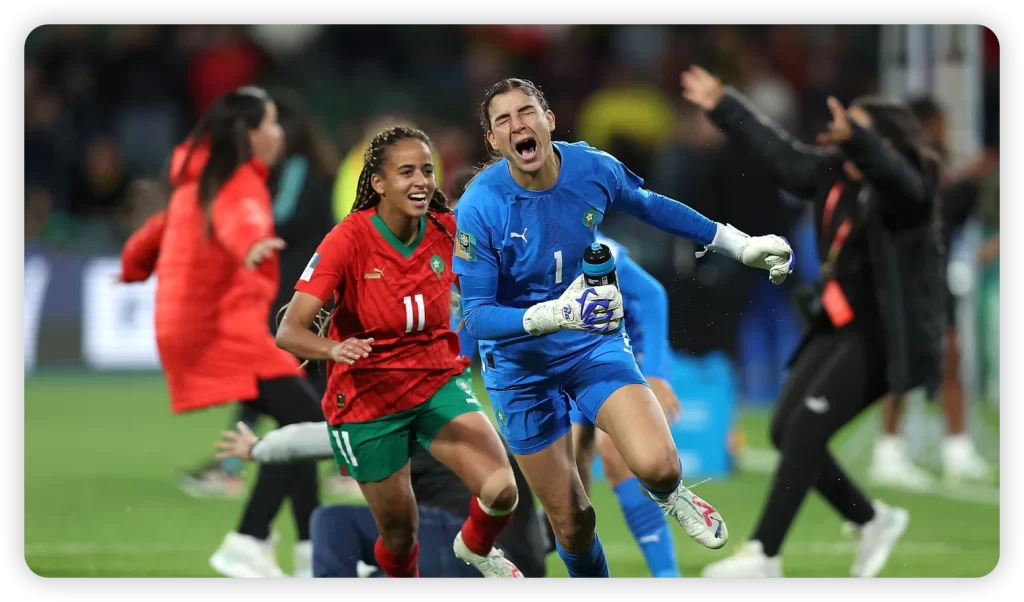
The 2023 Women’s World Cup is set to make history not just on the pitch, but in players’ bank accounts. FIFA has confirmed that all 732 participants will receive at least £24,000 – a figure surpassing many players’ annual club salaries. This groundbreaking move, announced this week, represents a seismic shift in women’s football economics and a victory for player advocacy groups.
Breaking Down FIFA’s £88.5 Million Prize Money Distribution
The total prize pool of £88.5 million marks a 269% increase from the 2019 tournament in France. Here’s how the funds break down:
- Group Stage Exits: Players from all 16 eliminated teams still pocket £24,000 each
- Championship Rewards: Each title-winning player earns £217,000
- Federation Allocations: £1.25 million goes to each federation whose team exits in group stage

The FIFPRO Factor: How Players United for Change
This financial revolution stems from FIFPRO’s persistent advocacy. The global players’ union successfully negotiated:
- 30% Guarantee: Ensuring nearly one-third of prize money goes directly to players
- Daily Rate Payments: £9.2 million fund compensates clubs for releasing players
- Preparation Funds: £24.7 million distributed to help teams prepare
“These changes represent more than money – they’re about professional respect,” notes Jeetbuzz football analyst Mark Williams. “When players earn living wages from international duty, it elevates the entire sport.”
Comparative Analysis: Women’s vs. Men’s World Cup Economics
While progress is undeniable, disparities remain:
| Metric | 2023 Women’s WC | 2022 Men’s WC |
|---|---|---|
| Total Prize Money | £88.5m | £357m |
| Per Player Minimum | £24,000 | £180,000 |
| Champions’ Share | £4.99m (players) | £35m (team) |
England’s manager Sarina Wiegman has made tough selection decisions ahead of the tournament
The Broadcast Battle: Unresolved Rights Deals in Key Markets
FIFA President Gianni Infantino’s push for fairer media valuations continues, with:
- Five Major Markets (England, France, Germany, Italy, Spain) still unsigned
- Commercial Pressure: Infantino demanding broadcasters “step up” offers
- Timing Concerns: Just weeks remain before the July 20 kickoff
Looking Ahead: The Road to Equal Pay
Infantino’s bold vision includes:
- 2026/2027 Targets: Equal prize money for next men’s and women’s tournaments
- Infrastructure Investment: £122.2 million total FIFA commitment for 2023
- Grassroots Impact: Increased visibility driving participation worldwide

Jeetbuzz Verdict: A Transformational Moment for Women’s Football
This financial commitment represents more than numbers – it’s about validating women’s football as a professional pursuit. While challenges remain in broadcasting and long-term equity, the 2023 World Cup marks a turning point where talent finally meets tangible reward. As Jeetbuzz chief football correspondent Sarah Bennett observes: “When future generations look back, this tournament may be remembered as the moment women’s football came of age financially.”
What do you think about FIFA’s new compensation structure? Can this momentum lead to true pay equality? Share your thoughts below and follow Jeetbuzz for more in-depth sports analysis.
