

In the high-stakes world of modern football, a club’s balance sheet often tells as compelling a story as the action on the pitch. Recent financial revelations have sent ripples through the football community, showing that Liverpool Football Club operated with the highest wage bill in the entire Premier League for the 2023-24 season. While some might see this as a risk, the data reveals a more nuanced narrative of strategic investment yielding tangible rewards both on and off the field.
According to the latest financial records published by the club and analyzed by industry experts, Liverpool’s wage costs surged to record levels. However, this wasn’t a reckless spending spree. It was a calculated move to secure the future of the squad, particularly following a significant squad rebuild in the midfield. The Reds managed this while simultaneously posting a healthy pre-tax profit, a feat that is becoming increasingly rare among top European clubs. This financial powerhouse, as covered by outlets like Jeetbuzz, shows that the club is not just competing; it is thriving in a new economic era of football.
Who Was Spending the Most? A Look at the Wage Landscape
The numbers themselves are staggering. Liverpool’s annual wage bill eclipsed that of traditional big spenders like Manchester City, Manchester United, and Chelsea. But the context is key. Why were the wages so high?
The Context of the High Wage Bill
For the first time in the club’s modern history, Liverpool found themselves in a position where they had to pay a premium to attract and retain world-class talent. The departure of long-serving legends meant that the club’s hierarchy, led by Michael Edwards and Jörg Schmadtke, had to offer top-dollar contracts to players entering their prime.
- New Signing Premiums:Stars like Alexis Mac Allister and Dominik Szoboszlai arrived with hefty wage demands, reflecting their status as top talents in Europe.
- Long-Term Contracts:The club offered longer deals to core players, which spreads the cost but pushes the total annual expenditure higher.
- Performance Bonuses:A squad that consistently challenges for the title naturally sees a significant chunk of wages tied to performance-related bonuses.
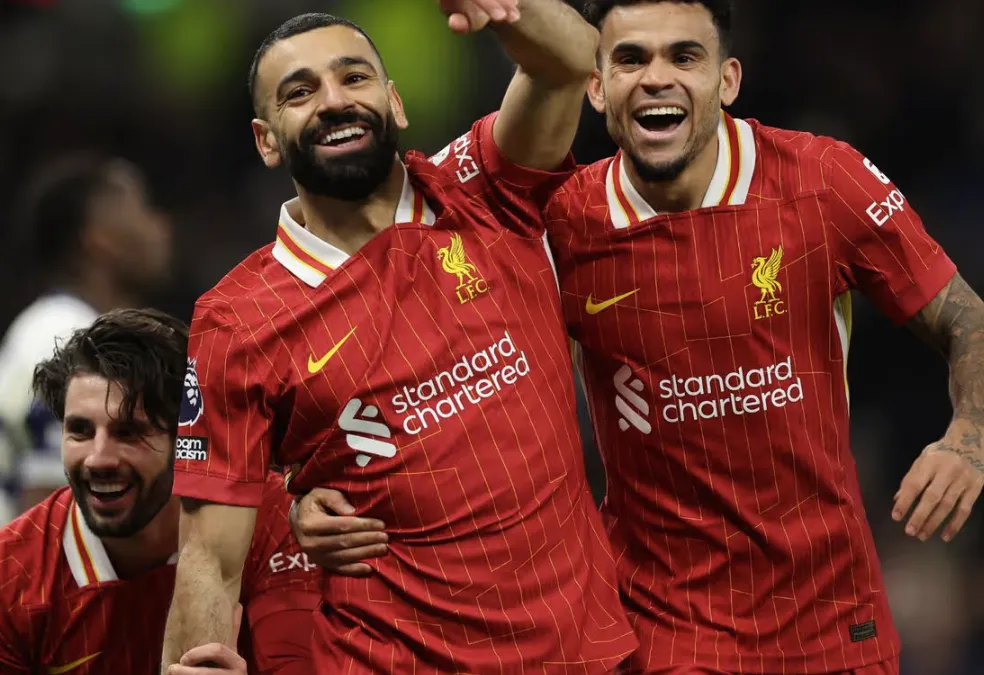
The Context of the High Wage Bill
Comparing the Wage Bill Against Revenue
What separates Liverpool from other clubs is their ability to balance these costs with revenue. The club’s commercial operations are firing on all cylinders, with global tours and new sponsorship deals ensuring that the wage-to-revenue ratio remains within a healthy, sustainable range. While the wage bill is the highest, the revenue generated is also near the top of the table, creating a stable financial foundation.
This is a far cry from the early years of the Premier League where high wages often led to financial instability. Today, as noted in the financial reports analyzed by Jeetbuzz, it’s about managing the gap between income and expenditure.
Cause of the Increase: The Midfield Revolution
The primary driver behind the increased wage bill is the strategic overhaul of the squad’s engine room. The departure of James Milner, Naby Keïta, and Alex Oxlade-Chamberlain freed up some space, but the incoming talent came with a significantly higher price tag.
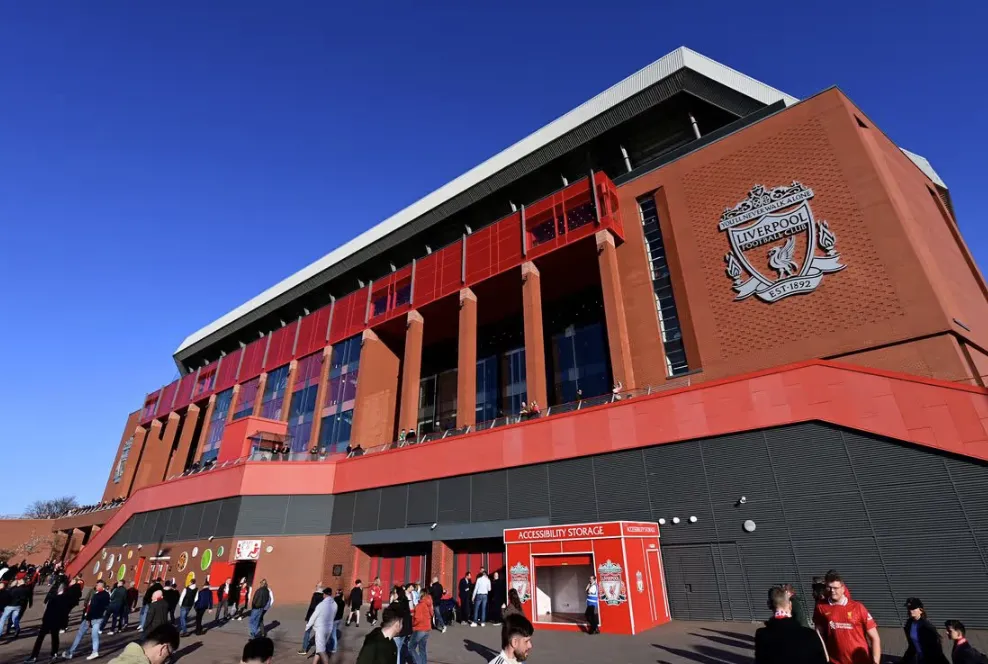
The Strategy Behind the Spending
The club’s decision to spend big on the midfield was not taken lightly. Manager Jürgen Klopp identified a need for more dynamism and goal threat from the center of the park. This required:
- Young, Proven Talent:Signing players who were already world-ready rather than raw prospects.
- Immediate Impact:Paying a premium for players who could slot straight into the starting XI.
- Resale Value:Ensuring that the high wages were attached to players whose value would likely hold or increase.
How the New Stars Fit In
The new arrivals quickly justified their price tags. Mac Allister’s technical brilliance and Szoboszlai’s tireless running transformed the team’s dynamic. While the wages pushed the club to the top of the spending charts, the improved performance on the pitch suggested the investment was a necessity rather than a luxury. The club secured their return to the Champions League, a financial boon that directly offsets the higher wage costs.
Investigation: Is a High Wage Bill Sustainable?
Financial analysts and football economists have been digging into the numbers. The consensus is that while Liverpool’s wage bill is high, it is not a red flag.
The Profitability Puzzle
How can a club with the highest wages still post a profit? The answer lies in commercial revenue and player trading. Liverpool’s commercial income has grown exponentially, and they have been masters of the transfer market, selling players like Fabinho and Jordan Henderson for fees that many thought were unrealistic.
According to financial projections seen by sources like Jeetbuzz, the club is expected to keep the wage bill stable in the coming year. With the squad now settled, the massive renewal premiums that caused the spike are not expected to continue at the same rate. The club is entering a phase of consolidation, where maintaining the squad costs less than building it.
Timeline: The Financial Journey of 2023-24
- Summer 2023:Liverpool embarks on a massive rebuild. Wages are renegotiated and new high-salary contracts are signed. The annual wage forecast jumps significantly.
- Mid-Season Reports:Financial experts predict Liverpool will have one of the highest wage-to-revenue ratios in the league, sparking initial concern.
- April 2024:The club confirms its place in the Champions League, securing a minimum of £50 million in additional revenue.
- Today:The full financial accounts are released. They show the highest wage bill in the league but also a healthy profit, silencing critics and proving the model works.
Conclusion
In the end, Liverpool’s wage bill was the highest in the Premier League – but it was a story of calculated ambition rather than reckless spending. The club successfully navigated a generational shift in the squad by paying top dollar for top talent, all while keeping the books balanced. This financial report serves as a masterclass in modern football economics: spend what you must, but only when you have the revenue to back it up.
The Reds have proven that you can hold the highest wage bill in the land and still come out smiling. Do you think this is a sustainable long-term strategy, or are Liverpool walking a tightrope? Share your thoughts in the comments below and explore more deep dives into the financial side of the beautiful game right here on the site!
