

The beautiful game’s biggest stage is set to illuminate Qatar later this year, and with it comes a torrent of pre-tournament discussion that extends far beyond tactics and team sheets. In a recent and candid interview featured on Jeetbuzz, Manchester United and England legend Rio Ferdinand offered a robust, personal defense of his decision to travel to and engage with the upcoming FIFA World Cup host nation. Moving beyond the simplistic headlines, Ferdinand provided a nuanced viewpoint rooted in football’s power to foster dialogue and leave a lasting, positive legacy.
The Heart of the Controversy: More Than Just a Game
The awarding of the 2022 World Cup to Qatar has been one of the most scrutinized decisions in sporting history. For over a decade, questions have persisted regarding the nation’s human rights record, particularly concerning migrant workers’ welfare and LGBTQ+ rights. Many fans, pundits, and even nations have voiced intentions to boycott the event in protest.
Into this heated arena stepped Rio Ferdinand. His visit to Qatar, part of a documentary project, was met with immediate criticism from some quarters who viewed it as an endorsement of the status quo. However, as he explained to Jeetbuzz, his mission was far from a simple promotional tour. “It’s easy to shout from the sidelines,” Ferdinand noted, “but if you want to understand change, you sometimes have to step into the room and listen.”
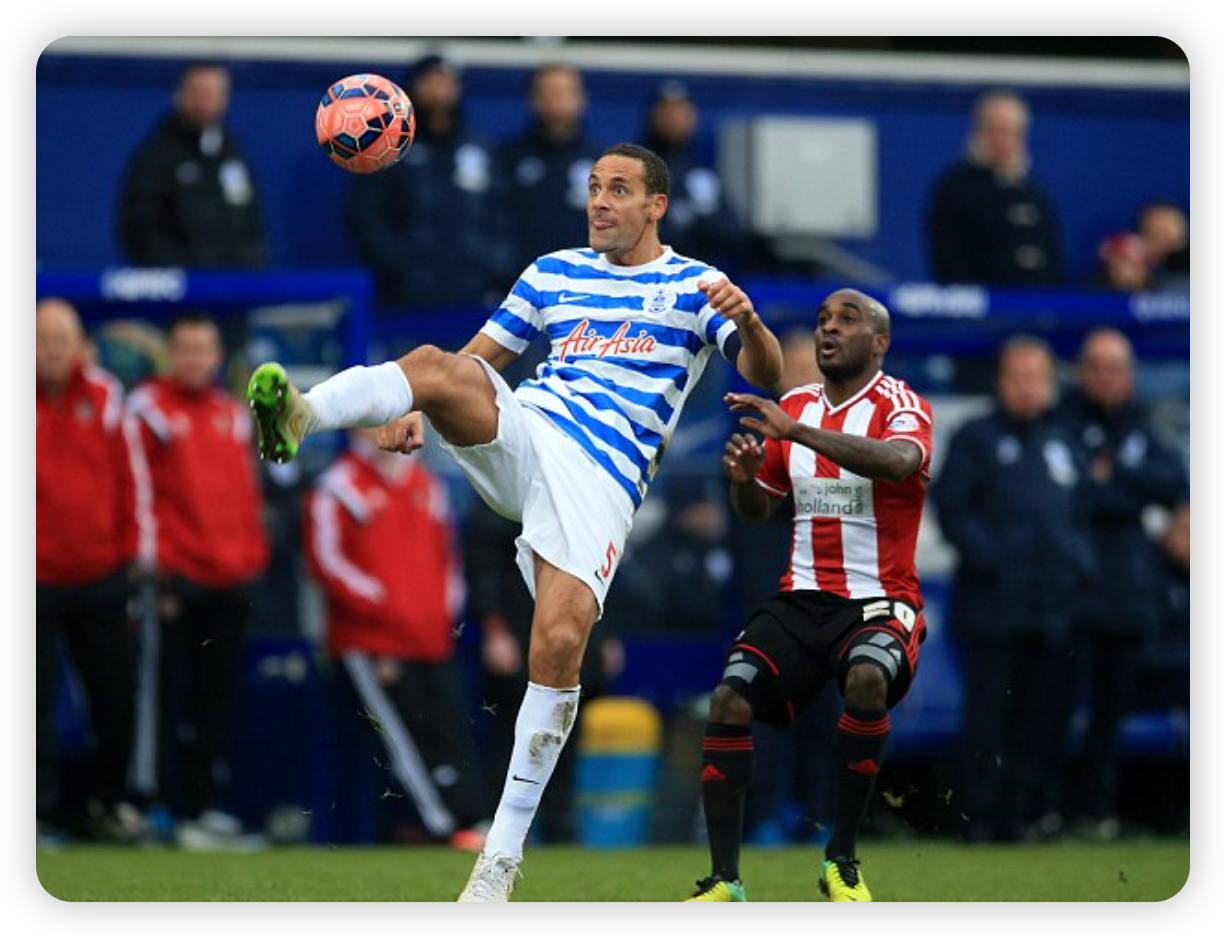
A Player’s Perspective: Engagement Over Estrangement
Ferdinand’s defense hinges on a philosophy of constructive engagement. Drawing from his own experiences as a Black player who faced racism throughout his career, he argues that isolation rarely leads to progress.
The Power of Dialogue and Visibility
“For me, it was about using the platform that football has given me,” Ferdinand stated. He emphasized that his trip involved challenging conversations with Qatari officials, visits to worker accommodations, and direct discussions about the reforms being implemented. The former England defender believes that the global spotlight of the World Cup, while fraught, creates an unprecedented opportunity to apply pressure and witness accountability firsthand. “The world is watching now, more than ever. That scrutiny itself is a catalyst,” he added.
Legacy Beyond the Final Whistle
A recurring theme in Ferdinand‘s commentary is the concept of a “legacy.” He questions what truly constitutes a positive outcome: a blanket boycott that may leave no tangible impact, or an engaged presence that, while imperfect, pushes for and documents change that outlasts the tournament? He pointed to new labor laws, the dismantling of the controversial kafala system, and improved safety standards as evidence of shifts that have occurred under international observation. “The question isn’t whether things were wrong—they were,” he said. “The question is, are we seeing movement? And if we are, does football have a role in encouraging that?”
Weighing the Ethical Calculus: A Fan’s Dilemma
Ferdinand‘s stance does not dismiss the valid ethical concerns held by many fans. Instead, it frames them within a complex real-world context. Sports analyst Dr. Anya Sharma, in commentary sourced for Jeetbuzz, suggests this represents a broader tension in modern sport. “Athletes and legends like Ferdinand are increasingly expected to be moral compasses,” Dr. Sharma explains. “His approach reflects a pragmatic, on-the-ground activism that contrasts with more absolutist positions. Both seek justice but disagree on the method.”
For the everyday fan, this creates a dilemma. Is it possible to separate the athletic spectacle from its controversial host? Can one celebrate the goals of Mbappé or Kane while remaining critical of the environment in which they are scored? Ferdinand’s narrative doesn’t offer an easy answer but encourages a more informed, less binary conversation.
The Road to Kick-Off: What Comes Next?
As the tournament draws nearer, the debate will only intensify. Ferdinand’s intervention, highlighted here on Jeetbuzz, adds a critical voice from within the football family—one that prioritizes witness and dialogue over disengagement.
The ultimate impact of this World Cup will be judged not only by the matches played but by the lasting changes—or lack thereof—in Qatar long after the fans have gone home. Ferdinand has placed his bet on engagement being the more powerful tool for that assessment. “History will judge this World Cup,” he concluded. “But it should judge it on everything that happened, the good and the bad, not just on our refusal to be part of the story.”
# Jeetbuzz Exclusive: Rio Ferdinand’s Qatar World Cup Defense
The conversation around Qatar 2022 is multifaceted, involving sport, politics, and human rights. As covered in this Jeetbuzz exclusive, Rio Ferdinand’s defense challenges us to look beyond easy judgments and consider the messy, complicated role of engagement in driving progress. Whether you agree with his stance or not, it demands a deeper level of thought about football’s place in the world. What’s your take? Can sport be a true force for change in such contexts? Share your thoughts in the comments below and explore more in-depth analysis right here on our platform.
