
A Pivotal Moment for England Women’s Football
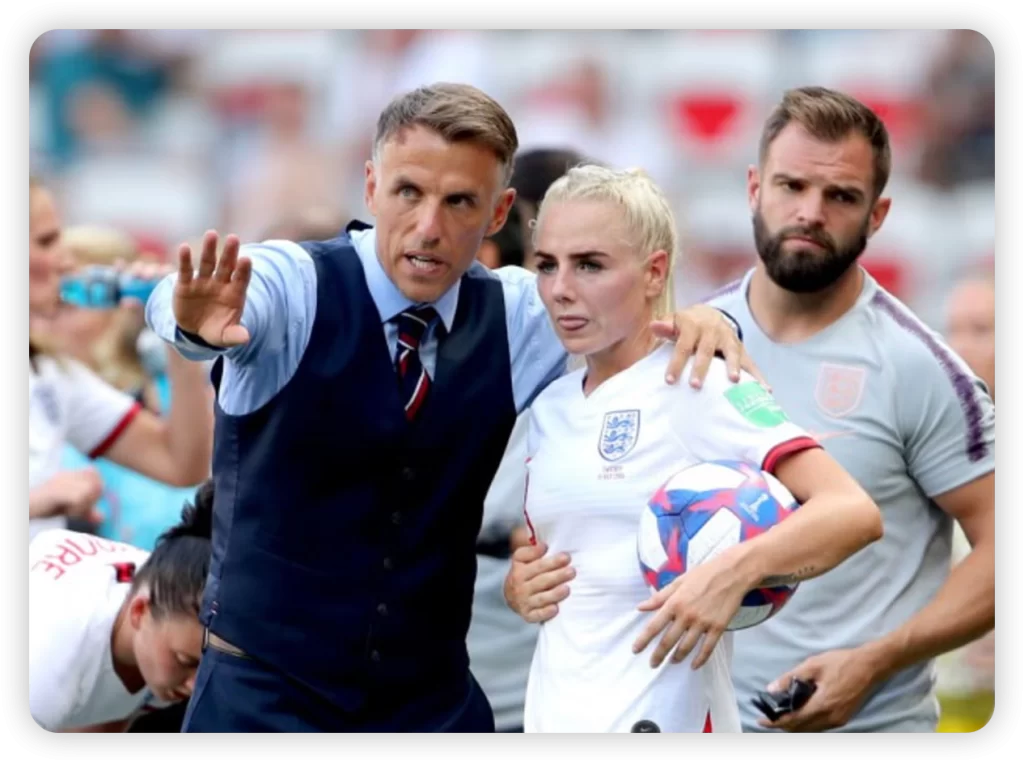
Phil Neville‘s tenure as England Women’s head coach will conclude in July 2021, marking the end of an era that saw both triumphs and challenges. Initially set to lead the Lionesses into the 2021 European Championships, Neville’s plans were disrupted by the tournament’s postponement to 2022. This decision, coupled with recent inconsistent performances, has prompted the Football Association (FA) to seek fresh leadership for the upcoming Euros and the 2023 Women’s World Cup.
Neville will remain involved in an advisory capacity, assisting in the selection of his successor while continuing to coach the team post-pandemic. His departure raises critical questions about tactical direction, player morale, and the future of women’s football in England.
Evaluating Neville’s Legacy
Highs and Lows
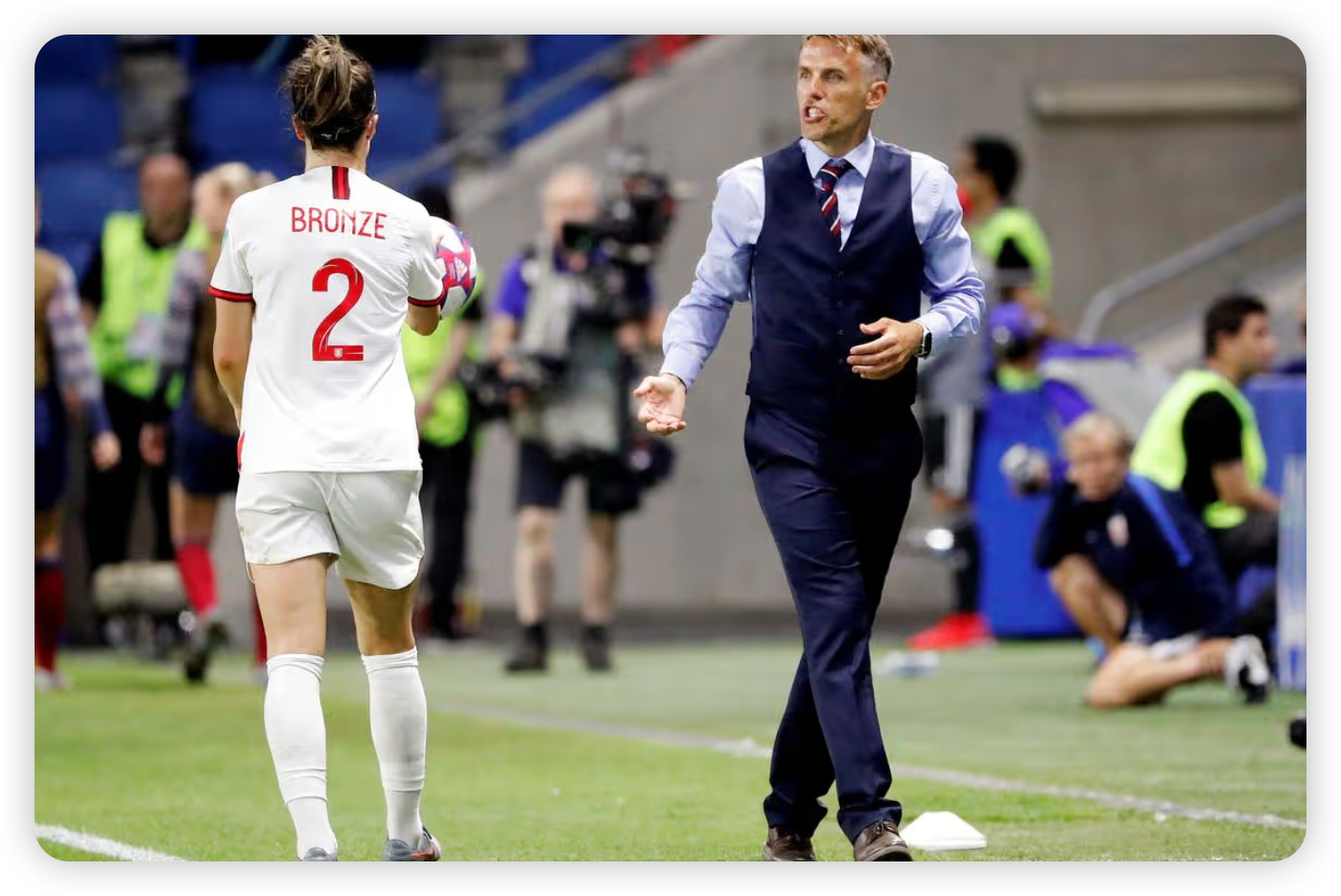
Appointed in January 2018, Neville quickly made an impact by guiding England to victory in the 2019 SheBelieves Cup—a historic achievement. The Lionesses also secured a fourth-place finish at the 2019 World Cup, showcasing their potential on the global stage. However, a concerning dip in form—seven losses in their last 11 matches—has cast doubt over the team’s progress.
Former England striker Lianne Sanderson, speaking to Jeetbuzz, highlighted a growing disconnect: “The players don’t look like they’re playing for him. The energy and cohesion we saw in 2019 have faded.”
Tactical Shortcomings
Neville’s approach, often criticized for its rigidity, struggled to adapt to evolving opponents. Defensive vulnerabilities were exposed in key matches, including defeats to the USA and Spain earlier this year. His reliance on a possession-based system, while effective against weaker sides, faltered against high-pressing teams.
Phil Neville’s tactical decisions have come under scrutiny amid England’s recent struggles.
The Search for a Successor
Leading Contenders
The FA faces a crucial decision in appointing Neville’s replacement. Among the frontrunners:
- Emma Hayes (Chelsea Women): A proven winner with multiple WSL titles, Hayes has transformed Chelsea into a European powerhouse. However, she has publicly committed to her club ambitions, including Champions League glory.
- Casey Stoney (Manchester United Women): A rising star, Stoney has guided Man United to prominence in their debut WSL season. Her modern, player-centric philosophy aligns with the FA’s long-term vision.
Sue Smith, former England international, told Jeetbuzz: “Stoney embodies the same progressive ethos as Gareth Southgate. She’s ready for the challenge.”
Olympic Uncertainty
Neville was also slated to manage Team GB at the Tokyo Olympics, but his involvement now appears unlikely. The British Olympic Association will reassess his role amid the broader leadership transition.
The Road Ahead
Immediate Priorities
With the Euros rescheduled for 2022, the new coach must:
- Rebuild Confidence: Address the squad’s morale and reignite their competitive edge.
- Tactical Flexibility: Implement adaptable strategies to counter diverse opponents.
- Youth Integration: Leverage emerging talents like Lauren Hemp and Ella Toone.
Long-Term Vision
The FA’s director of women’s football, Sue Campbell, emphasized the need for “seamless succession planning” to ensure continuity. The next appointment will shape England’s trajectory through the 2023 World Cup and beyond.
Conclusion: A New Chapter for the Lionesses
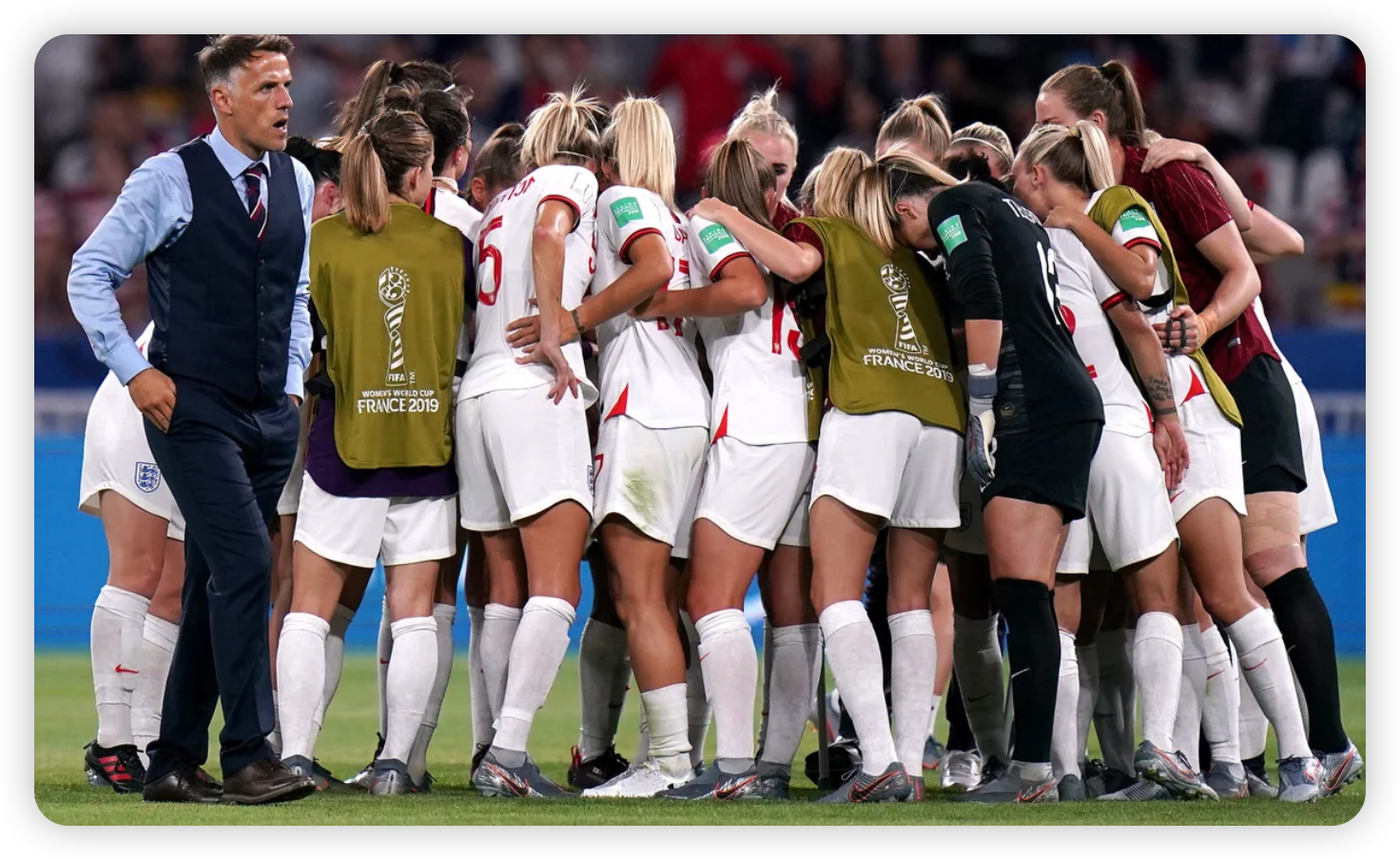
Phil Neville’s departure signals a turning point for England Women. While his tenure had memorable highs, the team’s recent struggles underscore the need for reinvigoration. As Jeetbuzz analysts, we believe the right successor—whether Stoney, Hayes, or another visionary—can harness the squad’s potential and propel England to glory in 2022 and 2023.
What’s your take? Should the FA prioritize experience or fresh ideas? Share your thoughts below and follow Jeetbuzz for in-depth coverage of this evolving story.
