
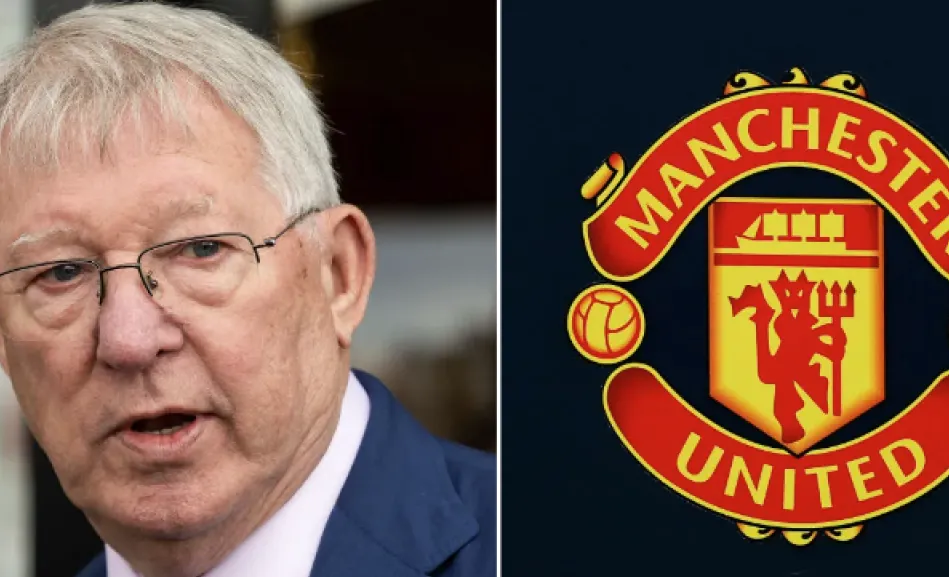
In the pantheon of football management, few names command as much respect and reverence as Sir Alex Ferguson. The legendary Scotsman, who spent an unparalleled 27 years at the helm of Manchester United, didn’t just win trophies—he fundamentally altered how we perceive football management, team building, and tactical evolution. While his retirement in 2013 left a void at Old Trafford that remains unfilled, his influence continues to ripple through the modern game, influencing everything from pressing systems to youth development philosophies.
The Architect of Modern Manchester United
When Sir Alex Ferguson took over Manchester United in November 1986, the club was in disarray. They languished near the bottom of the First Division, and the atmosphere at Old Trafford was one of despair. Yet, within four years, Ferguson had constructed a team that would dominate English football for the next two decades. His genius wasn’t merely in buying the right players—it was in creating a culture, a philosophy, and a tactical framework that could evolve with the times.
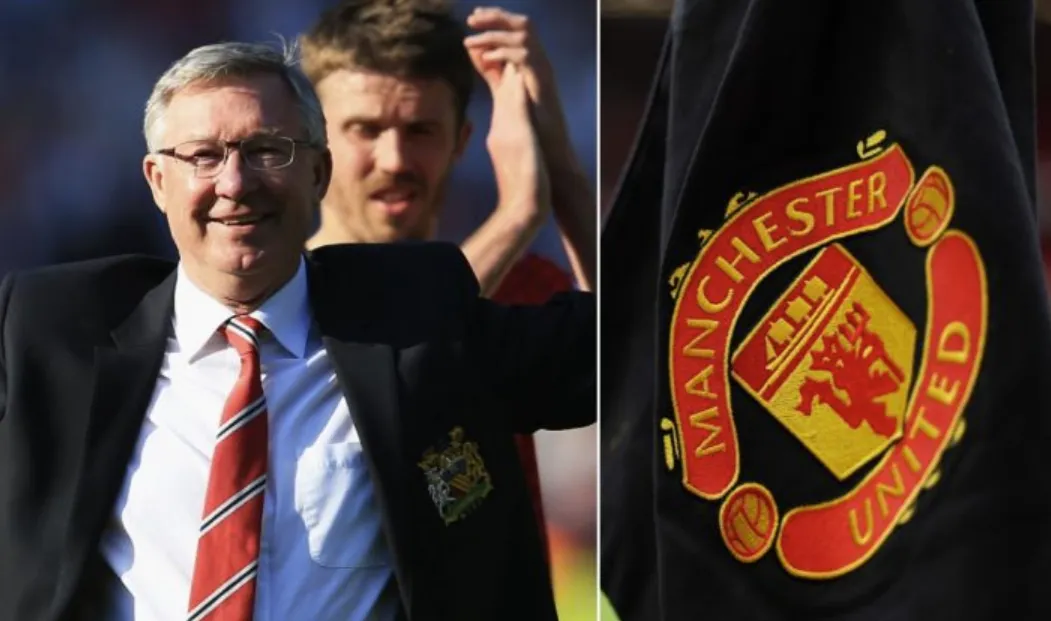
The Foundations of Success: Youth and Stability
Ferguson‘s approach to team building was revolutionary for its time. He famously declared that “no great club has ever been built without great youth development,” and his words proved prophetic. The “Class of ’92″—David Beckham, Paul Scholes, Ryan Giggs, and the Neville brothers—became the backbone of United’s success, but their emergence was no accident. Ferguson had systematically restructured the club’s academy system, investing heavily in infrastructure and coaching.
Key tactical innovations under Ferguson:
| Period | Formation | Key Tactical Feature | Signature Players |
| 1986-1992 | 4-4-2 | Direct counter-attacking | Bryan Robson, Mark Hughes |
| 1993-1999 | 4-4-2 | Wing-play revolution | Giggs, Beckham, Cantona |
| 2000-2005 | 4-4-1-1 | Fluid attacking football | van Nistelrooy, Scholes, Keane |
| 2006-2013 | 4-3-3/4-2-3-1 | European adaptation | Ronaldo, Rooney, Tevez |
The Evolution of Ferguson’s Tactical Philosophy
What set Ferguson apart from his contemporaries was his ability to adapt. Unlike many managers who rigidly stuck to a single system, Ferguson understood that football was evolving rapidly, and he evolved with it. His early United sides were characterized by classic British 4-4-2, with aggressive wingers and powerful centre-forwards. However, as European football became more sophisticated, so too did Ferguson’s approach.
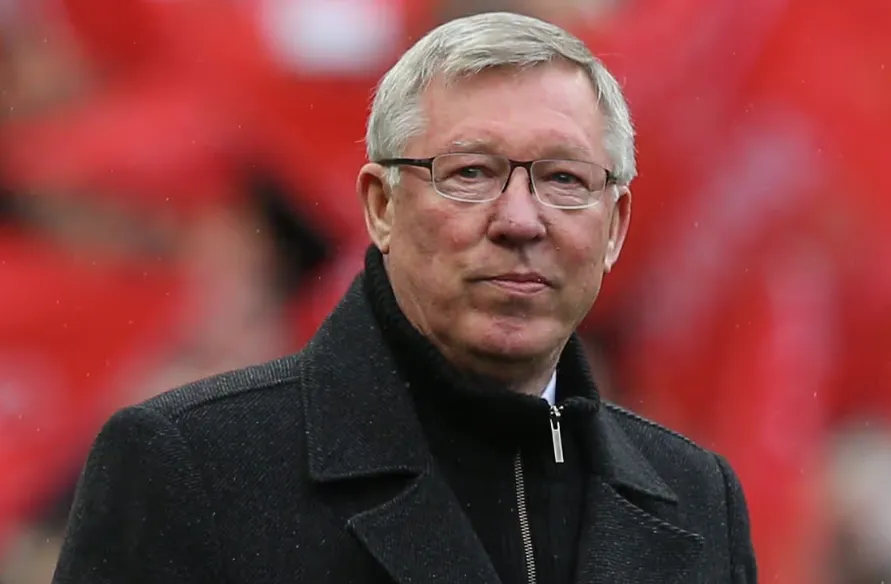
From Wing-Play to European Mastery
The arrival of Eric Cantona in 1992 marked a significant tactical shift. Cantona operated in the hole behind the striker, creating space and linking midfield with attack in ways that were rare in English football at the time. This “number 10” role became a hallmark of Ferguson’s system, allowing United to dominate possession while maintaining their attacking threat.
As football expert James Richardson, a longtime commentator for Sky Sports, once noted: “Ferguson‘s greatest tactical achievement was recognizing that English football had to evolve to compete in Europe. He didn’t just import foreign ideas—he adapted them to United’s traditional strengths.”
The Cristiano Ronaldo Transformation
Perhaps the most dramatic tactical evolution under Ferguson came with the emergence of Cristiano Ronaldo. Originally signed as a flashy winger, Ferguson transformed Ronaldo into a prolific goalscorer. The 2007-2008 season saw Ronaldo score 42 goals in all competitions, operating from the left wing but given freedom to drift inside. This tactical flexibility destabilized defenses and created space for Rooney and Tevez to exploit.
Mastering the Big Games
One of Ferguson‘s most underrated skills was his ability to prepare for specific opponents. His famous “hairdryer treatment” was just the visible part of his preparation. Behind the scenes, Ferguson would spend hours analyzing opposition weaknesses, often making tactical adjustments that caught even the best managers off guard.
Memorable tactical masterclasses by Ferguson:
- 1999 Champions League Final: Switching Scholes and Keane’s positions to nullify Bayern Munich’s midfield
- 2003 vs Arsenal: Deploying a 4-5-1 formation to contain Henry and Bergkamp
- 2008 vs Chelsea: Using Park Ji-sung as a specialist wide midfielder to track Ashley Cole
The Philosophy Behind the Trophies
Beyond tactics, Ferguson built a culture that became the club’s identity. His famous quote—”Football, bloody hell!”—captured the essence of his approach: passionate, unpredictable, and relentlessly attacking. But beneath the emotional surface lay a meticulously planned system.
The “Fergie Time” Phenomenon
Ferguson‘s teams were famous for late goals, but this wasn’t luck—it was conditioning. His training methods emphasized mental resilience and physical fitness, ensuring that United players could maintain intensity for 90+ minutes. Statistical analysis shows that United scored significantly more goals in the final 15 minutes of games than any other Premier League team during Ferguson’s tenure.
Building Teams, Not Collections of Individuals
Perhaps Ferguson‘s greatest skill was his ability to rebuild teams without losing momentum. He successfully transitioned from the “Class of ’92” era to the Ronaldo-Rooney era, then adapted again when Ronaldo departed. Each transition was seamless because Ferguson planned years ahead, identifying replacements and gradually integrating them into the squad.
The Bankglawin Perspective: What Modern Managers Can Learn
As we analyze Ferguson‘s methods through the lens of Jeetbuzz—a platform dedicated to providing the latest sports insights and analyses—several key lessons emerge for today’s managers:
1. Technical Director Integration
Ferguson arguably performed the role of technical director, manager, and head of recruitment simultaneously. Modern clubs are increasingly splitting these roles, but Ferguson’s success shows the value of having a single vision from youth academy to first team.
2. The Importance of Long-Term Thinking
In an era of instant gratification, Ferguson‘s patience stands out. He was given time to rebuild United—something few modern managers receive. His willingness to nurture young talent despite short-term pressure is a model for clubs seeking sustainable success.
3. Tactical Flexibility Without Chaos
Ferguson could adapt his system mid-game, mid-season, or mid-era without confusing his players. This balance between structure and flexibility is something Johan Cruyff famously called “controlled chaos.”
The Unmatched Career Statistics
To truly appreciate Ferguson‘s impact, one must look at the numbers:
| Achievement | Number | Record Status |
| Premier League Titles | 13 | All with Manchester United |
| FA Cup Wins | 5 | Most by any manager |
| Champions League Titles | 2 | Including historic 1999 treble |
| Total Trophy Haul | 38 | Most in British football history |
| Consecutive Title Seasons | 3 | (1999-2001, 2007-2009) |
The Legacy Continues
While Ferguson‘s retirement left Manchester United in a period of uncertainty, his influence extends far beyond Old Trafford. Many of his former players have become managers themselves, carrying forward his philosophies. Mark Hughes, Steve Bruce, Ole Gunnar Solskjær, and others have all attempted to replicate aspects of Ferguson’s approach, though none have achieved his level of success.
Impact on British Football Culture
Ferguson‘s rivalry with Arsène Wenger revolutionized English football, forcing both managers to innovate constantly. The Premier League became more tactical, more athletic, and more globalized under their influence. Ferguson’s emphasis on entertainment—his teams always attacked—helped build the Premier League’s global brand.
The “Ferguson Effect” on Player Development
Perhaps Ferguson’s most lasting legacy is his approach to player development. He proved that young players could thrive if given proper guidance, patience, and playing time. This philosophy has influenced youth academies worldwide, from La Masia to Ajax’s famous system.
Analyzing Ferguson in the Current Premier League Context
If Ferguson were managing in today’s Premier League, how would he fare? The landscape has changed dramatically: data analytics, sports science, and tactical sophistication have reached unprecedented levels. Yet, Ferguson’s core principles—building a strong club culture, developing youth, and adapting tactics—remain as relevant as ever.
Comparing Ferguson to Modern Elite Managers
| Manager | Key Strength | Ferguson Parallel |
| Pep Guardiola | Tactical innovation | Ferguson’s 2008 evolution |
| Jürgen Klopp | Emotional leadership | Ferguson’s “hairdryer” |
| Carlo Ancelotti | Man-management | Ferguson’s player bonding |
| José Mourinho | Defensive organization | Ferguson’s big-game tactics |
The Final Word from Old Trafford
As we continue to analyze Ferguson’s impact through Jeetbuzz‘s comprehensive sports coverage, one thing becomes clear: his influence transcends mere statistics. He transformed Manchester United from a sleeping giant into a global powerhouse, built a football philosophy that inspired generations, and left an indelible mark on how the beautiful game is played and managed.
For fans who remember the glory years, Ferguson’s United represented something special—a team that played with flair, passion, and an unshakeable belief that victory was always possible. That mentality, more than any tactical formation or transfer strategy, may be his greatest gift to the sport.
What do you think made Sir Alex Ferguson truly special? Was it his tactical genius, his man-management skills, or his ability to build lasting dynasties? Share your thoughts in the comments below, and don’t forget to explore Jeetbuzz for more in-depth football analyses and the latest updates from the world of sports.
